How to Plan a Luxury Trip to St. Lucia
A 7-Day Itinerary, Best Time to Go, and What It Really Costs
St. Lucia is one of the few Caribbean islands that rewards planning. It is small enough to cross in a couple of hours, but the difference between a good week and an unforgettable one comes down to details most travellers only learn after they arrive. That includes which coast to base yourself on, when to book the Pitons, and how long that airport transfer actually takes.
This guide walks through how we approach a luxury trip to St. Lucia for our clients, including timing, geography, a workable seven-day itinerary, and realistic cost expectations.
Why St. Lucia Deserves More Than a Resort Booking
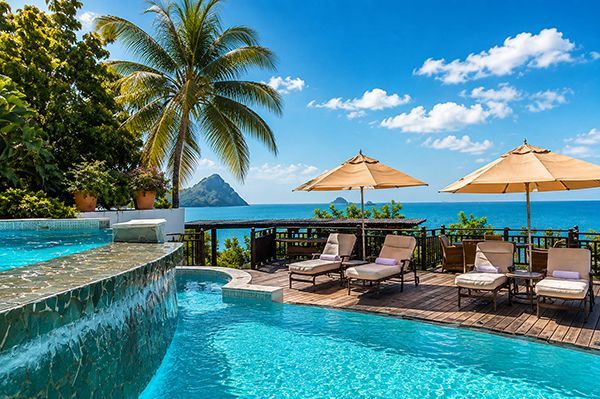
Most islands offer either scenery or activity. St. Lucia offers both in an unusually compact space. Within a single morning, you can be hiking a volcanic ridge, swimming off a black-sand beach, and sitting down to a chef’s-table dinner overlooking the water.
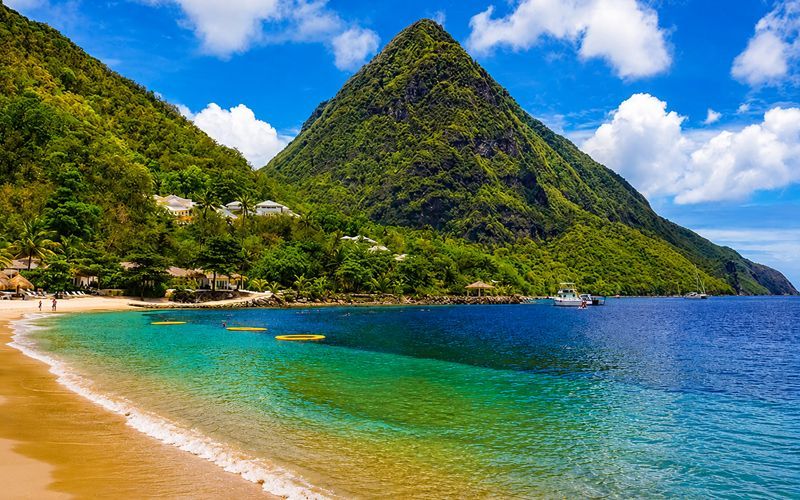
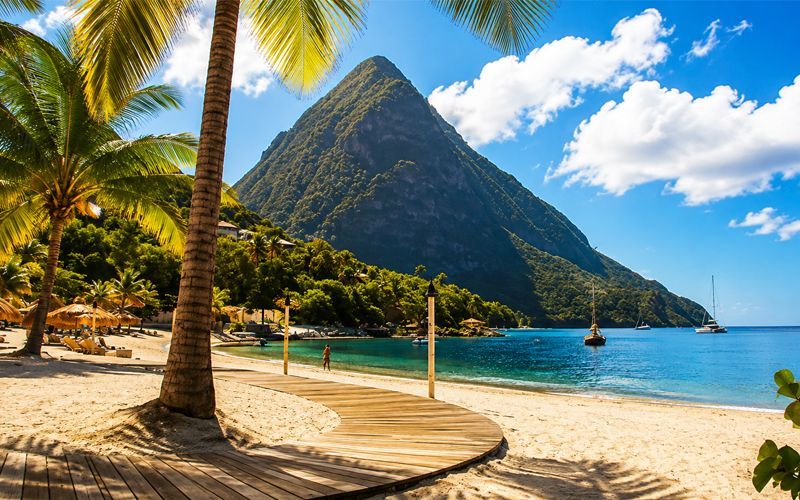
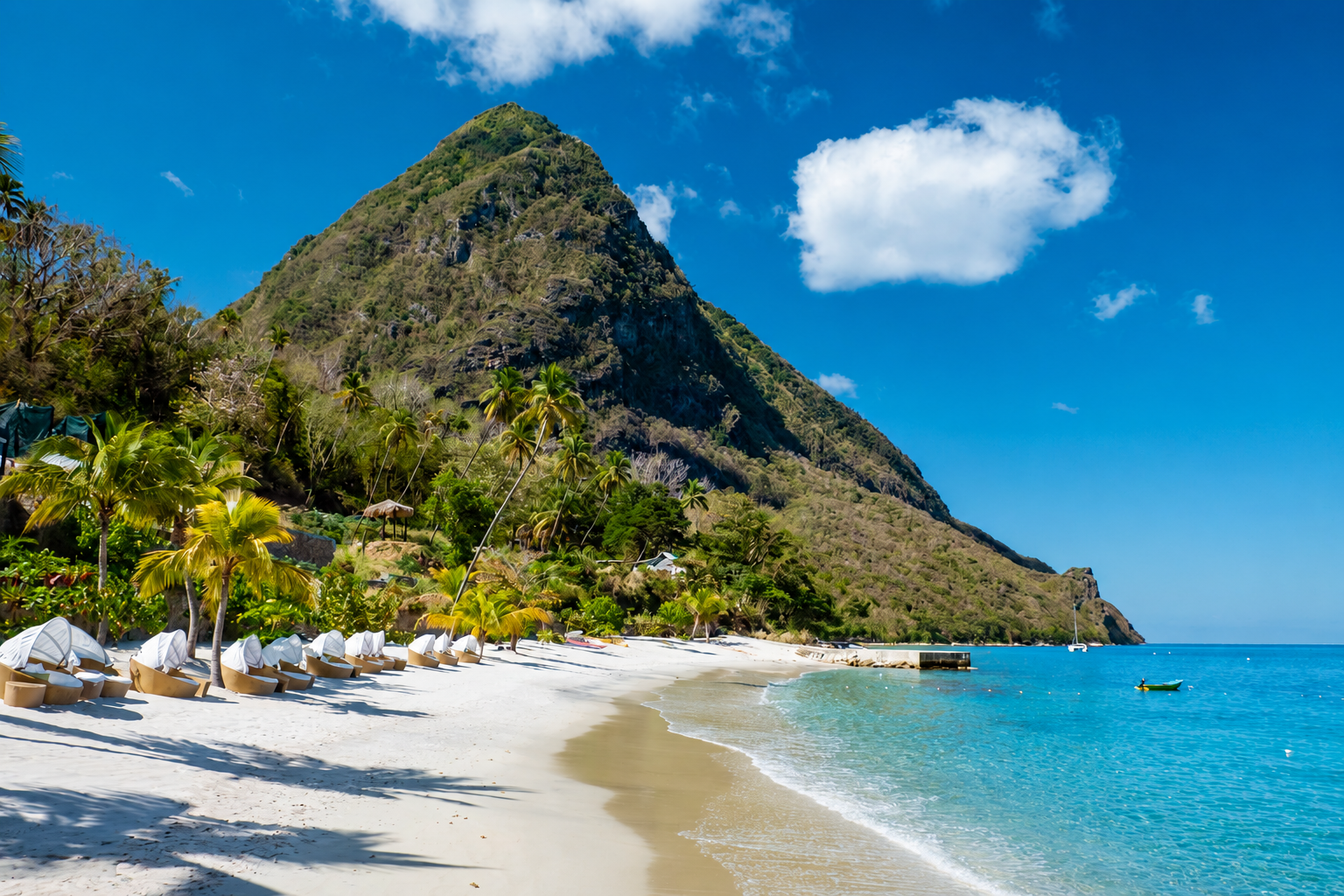
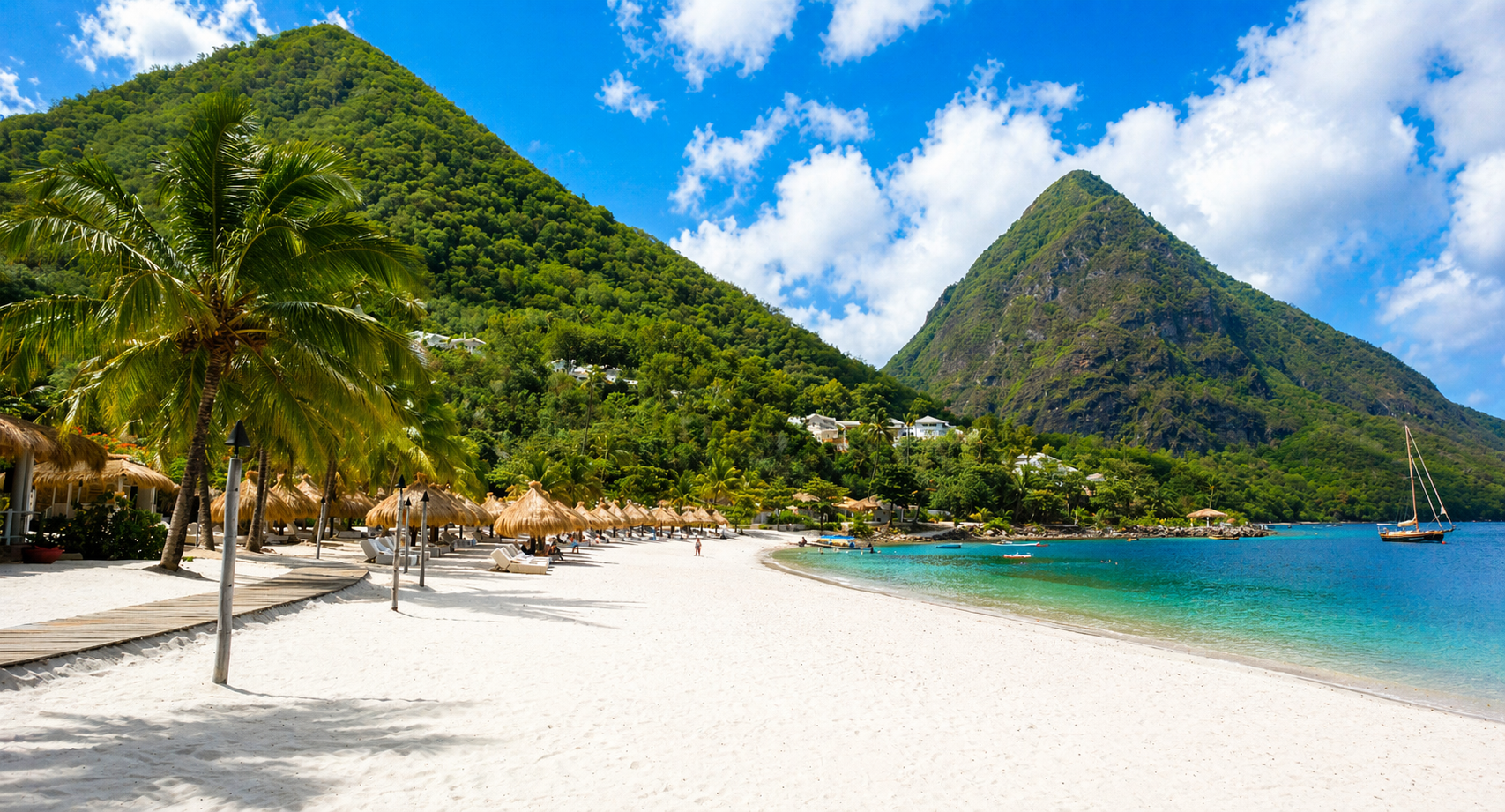
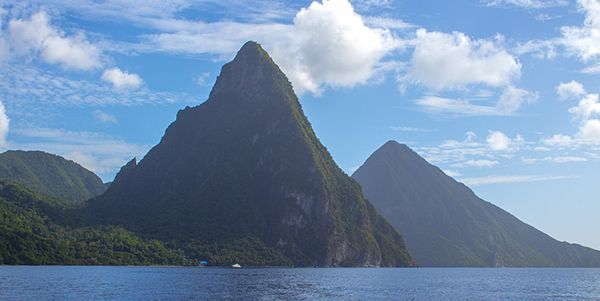
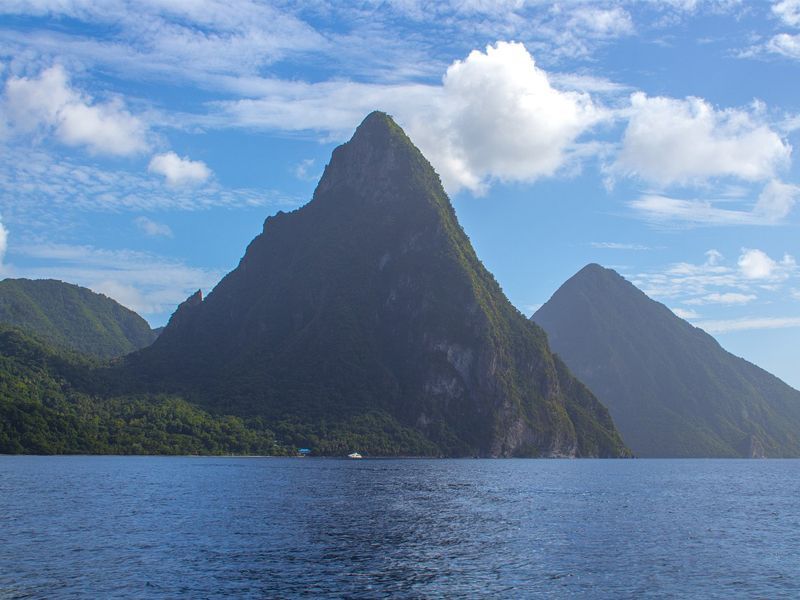
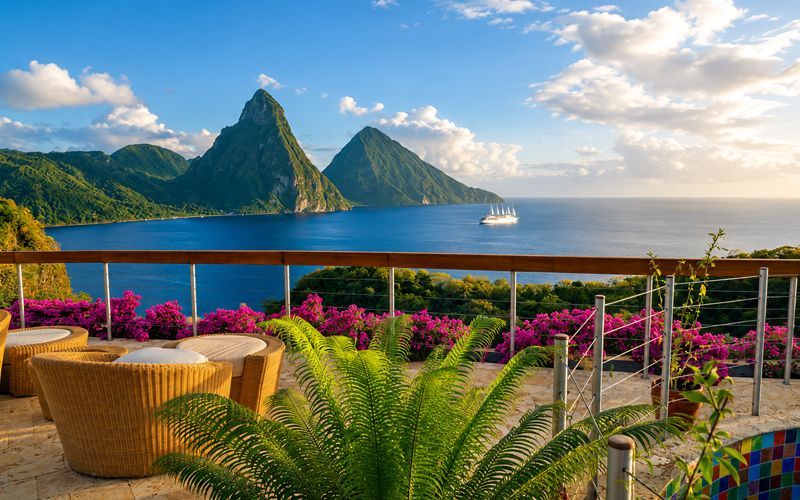
The island’s signature landmarks, Gros Piton and Petit Piton, the UNESCO-listed volcanic spires on the southwest coast, anchor almost every itinerary. But the experiences that clients remember most are usually the ones that require local access. A private catamaran that skips the crowded morning departures, a fishing village lunch that isn’t on any tour operator’s route, or a driver who knows which viewpoint clears of cloud at 4 p.m. can make all the difference.
That is the gap between booking a hotel and planning a trip.
Best Time to Visit St. Lucia
December to April (Peak dry season) – The most reliable weather of the year, and the reason rates and occupancy climb. Book accommodation and premium experiences four to six months ahead for this window, and earlier still around Christmas and New Year.
May to June (The sweet spot) – Rates soften, the island is quieter, and conditions are still largely dry. The Saint Lucia Jazz & Arts Festival typically falls in May and brings a strong cultural programme, so plan around it deliberately, in one direction or the other.
July to November (Green season) – Rain arrives in short, heavy bursts rather than all-day washouts, and the landscape is at its most dramatic. This is also Atlantic hurricane season, so travel insurance moves from optional to essential. St. Lucia Carnival in July is a genuine highlight if a lively island suits your group.
For honeymoons and milestone celebrations, we usually steer clients toward late April to early June, with good weather, better value, and fewer crowds at the Pitons.
Where to Base Yourself
Choosing the right coast matters more on St. Lucia than on most islands, because driving times are long relative to distance.
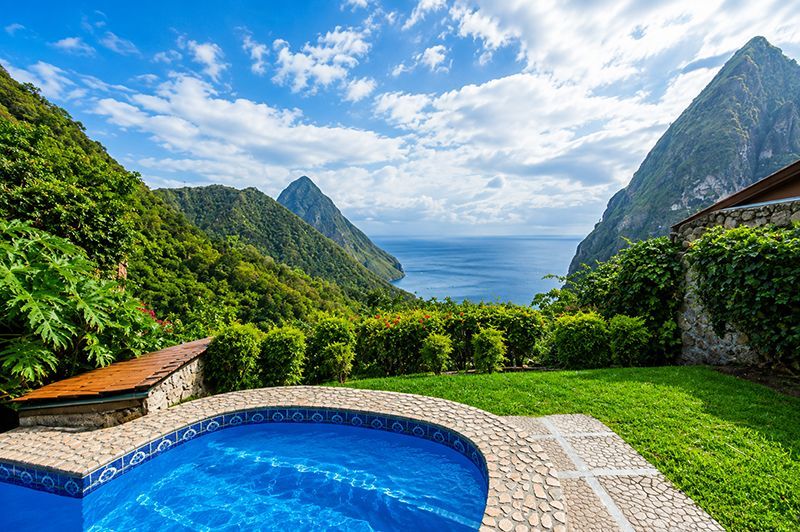
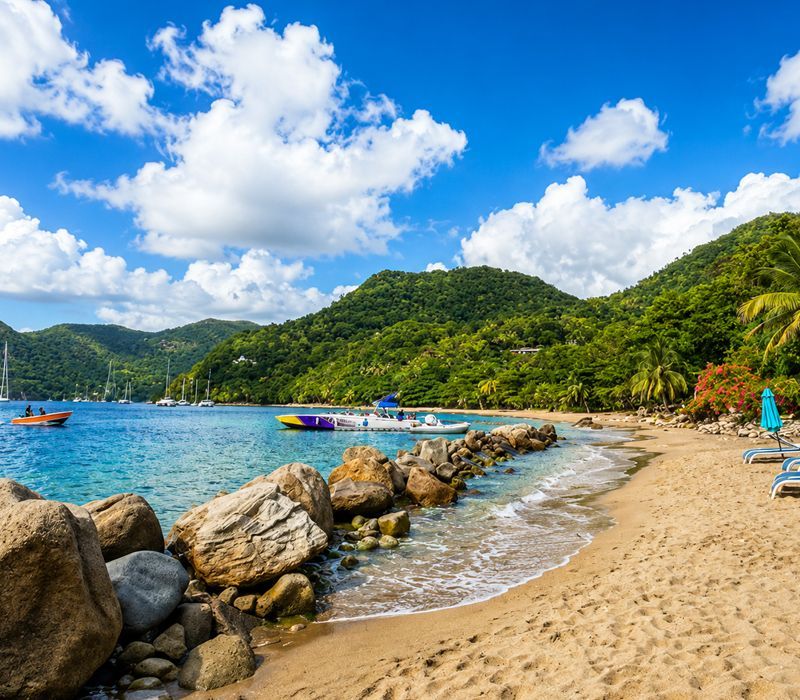
Soufrière (southwest) – Closest to the Pitons, the sulphur springs, the drive-in volcano and the waterfalls. The most scenic base, and the best choice if nature and photography drive your trip. Quieter in the evenings.
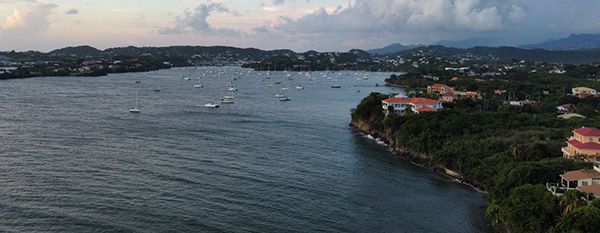
Marigot Bay (west-central) – A sheltered, yacht-lined bay with an intimate, polished feel. A good middle ground for couples who want calm without full isolation.
Rodney Bay and Gros Islet (north) – The most dining, nightlife, and shopping. Closest to the smaller regional airport, and home to the Friday night street party at Gros Islet if you want one boisterous evening.
Cap Estate (far north) – Residential, private and villa-heavy. The natural fit for families and groups renting a full property with staff.
A practical note that catches people out. Hewanorra International (UVF) sits in the south of the island. Transfers north to Rodney Bay can run around ninety minutes by road. If you are staying in the north, a helicopter transfer or a scheduled private driver is worth arranging in advance rather than negotiating on arrival.
A Seven-Day St. Lucia Itinerary
Day 1 – Arrive & Settle In: Private transfer, unpack, sunset dinner at the property. Do not schedule anything ambitious. Flights into the Caribbean routinely land late.
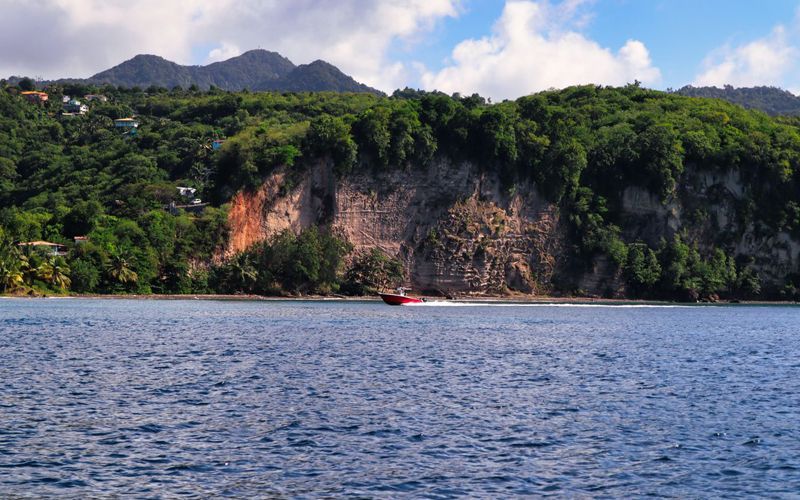
Day 2 – West Coast by Sea: A catamaran along the west coast toward Soufrière, passing fishing villages and coastal viewpoints, with a choice of the drive-in volcano or a mineral mud bath on arrival. Booking a private or small-group charter rather than a large scheduled boat changes this day entirely.
Day 3 – Soufrière on Land: Diamond Falls Botanical Gardens, the Sulphur Springs, and a plantation lunch. Keep the afternoon free for the spa or the beach.
Day 4 – The Pitons: Gros Piton is the hikeable one, guided, roughly four hours return, and genuinely strenuous. Start early to beat both heat and cloud cover. If hiking is not for your group, substitute a Piton-view lunch and a snorkelling stop at Anse Chastanet.
Day 5 – Slow Day: Beach, spa, or a private cooking session with a local chef. Every good itinerary needs one day with nothing in it.
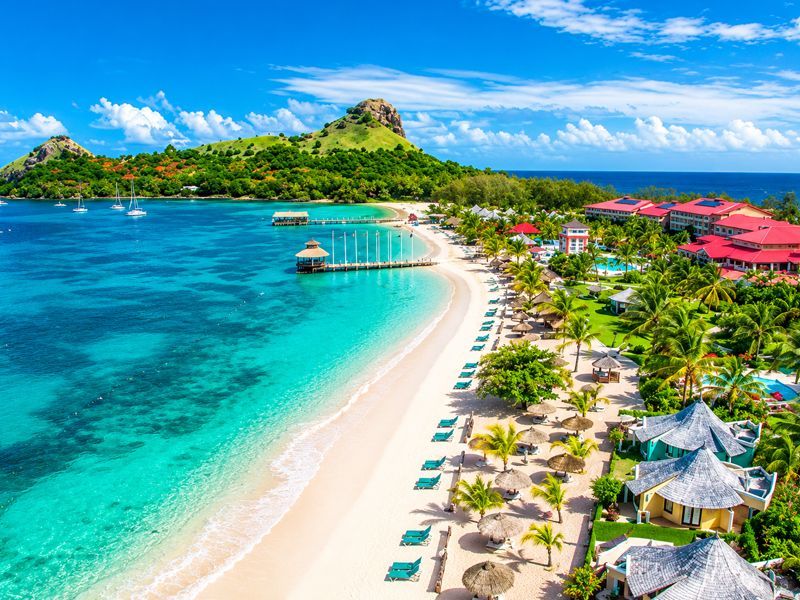
Day 6 – North Coast and Culture: Pigeon Island National Landmark, Rodney Bay for lunch and shopping, and if it is a Friday, an hour or two at the Gros Islet street party with a local host.
Day 7 – Departure: Late checkout where possible, one last swim, and a transfer timed with genuine margin for the drive to UVF.
What a Luxury Week Actually Costs
The figures below are broad planning ranges per person for a seven-night trip, excluding international airfare, and will vary with season and property.
- Premium hotel or boutique resort: Roughly $450–$900 per night, double occupancy
- Luxury villa with staff: Typically, $1,200-$4,000+ per night for the property, which often works out better for groups of six or more
- Private transfers and a dedicated driver: $400–$900 for the week
- Curated experiences (Charter, Guided Hike, Chef, Spa): $800-$2,500
- Dining outside the property: $100-$200 per person per day at the upper end
Two things reliably shift the total. First, travelling in green season rather than peak can cut accommodation by 30 to 40%. Second, groups of six or more almost always do better in a villa with a private chef than in individual resort rooms. The per-person economics change substantially, and the experience is usually better.
Five Things Worth Getting Right
1. Book the Pitons hike and any private charter early. Guide availability, not capacity, is the constraint in high season.
2. Check whether service charge and government tax are already included in quoted rates. On St. Lucia, they frequently are not, and they are not trivial.
3. Confirm dress codes at fine-dining restaurants. Several enforce them.
4. Build in transfer time honestly. The island is small, but the roads are mountainous and winding.
5. Insure green-season travel. It costs little and covers the one risk you cannot manage.
Planning Your Trip with CHS
At Chicot’s Consulting & Hospitality Services, we build St. Lucia itineraries around how a group actually wants to spend its time rather than around a fixed package. That means custom travel planning, vetted accommodation, private transfers, and local Ambassadors who open doors that a booking engine cannot.
If you are weighing dates, destinations, or budget, get in touch or explore our full range of services. We will tell you honestly what a week on the island should look like and what it should cost.